
Heat Pump vs. Furnace: Which Is Better for a Lehigh Valley Home?
A heat pump may be the better choice if you want one energy-efficient system for both heating and cooling. A furnace may be preferable if your home already has the necessary fuel connection and you value the strong, familiar heat produced by a traditional forced-air system.
For Lehigh Valley homeowners, the right choice depends on the home’s existing equipment, available fuel sources, electrical system, ductwork, comfort preferences, and budget. Neither option is automatically best for every property.
What Is the Difference Between a Heat Pump and a Furnace?
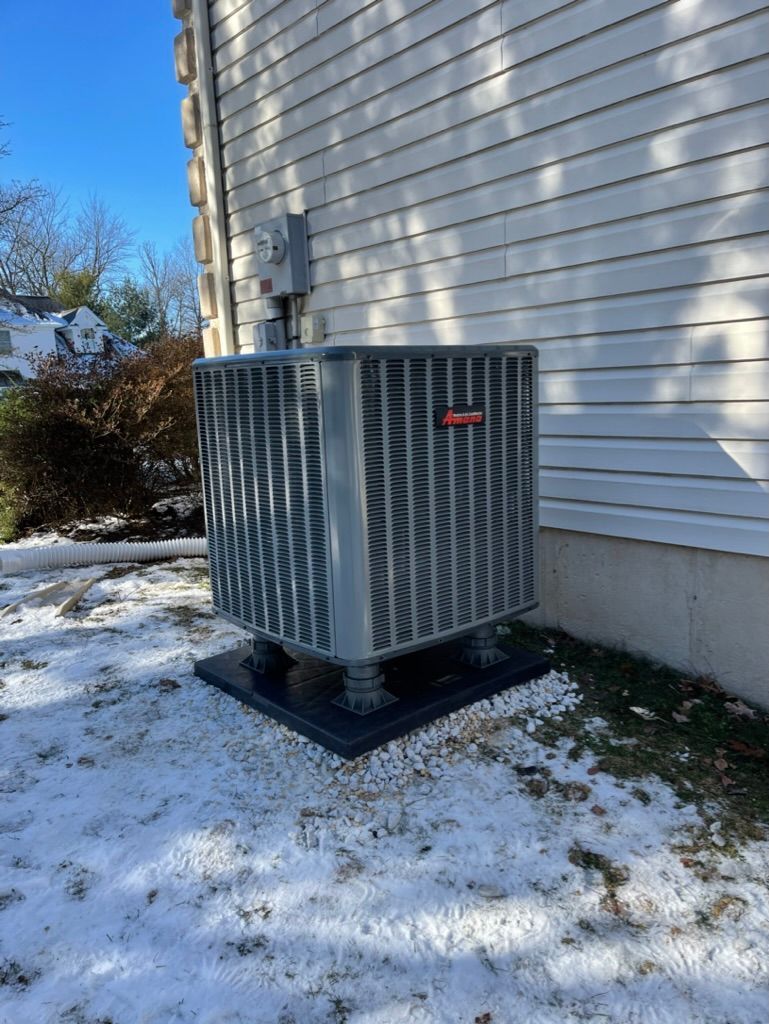
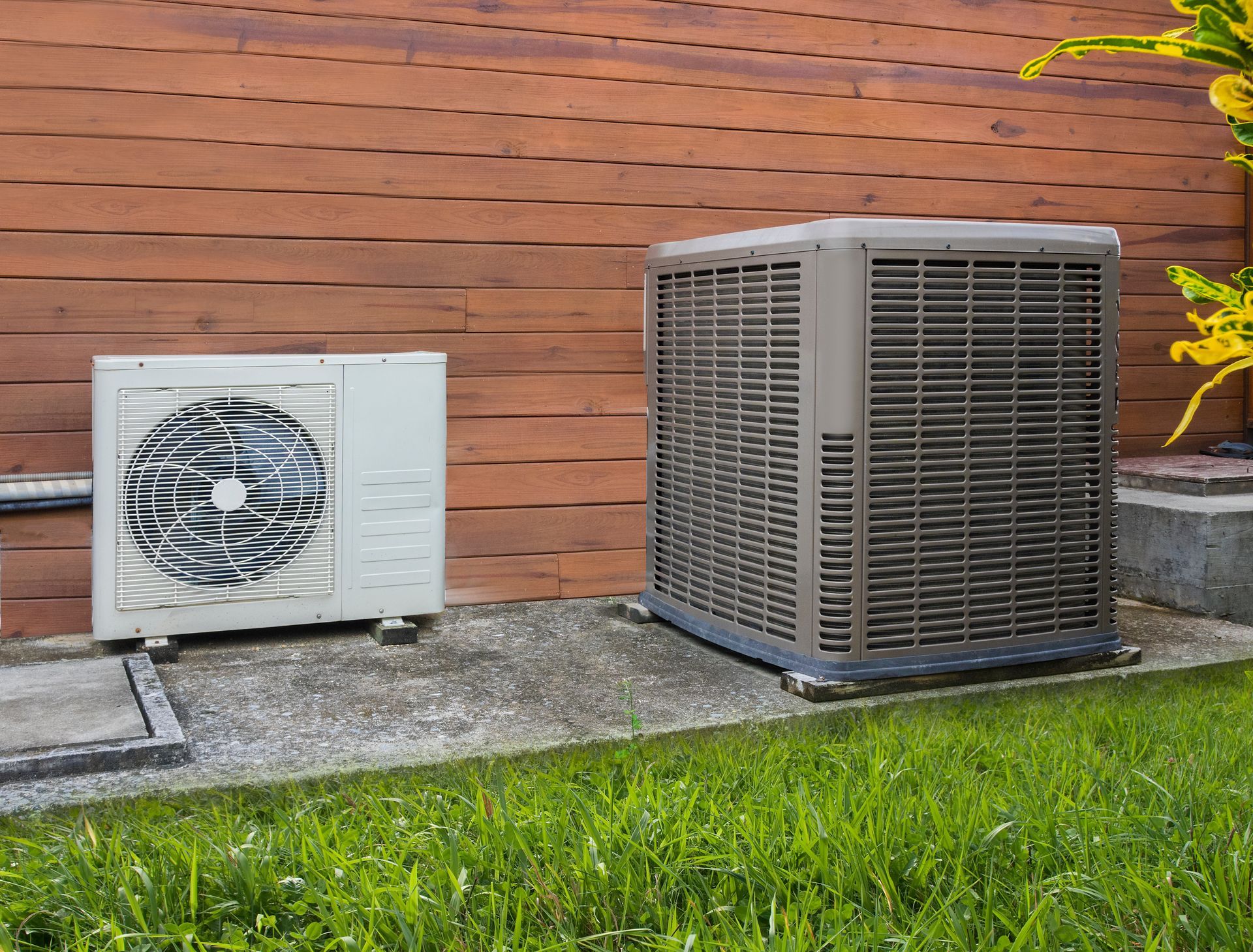
A heat pump transfers heat rather than generating it through combustion. During the winter, it pulls heat from the outdoor air and moves it into the home. During the summer, the process reverses, allowing the same equipment to cool the home.
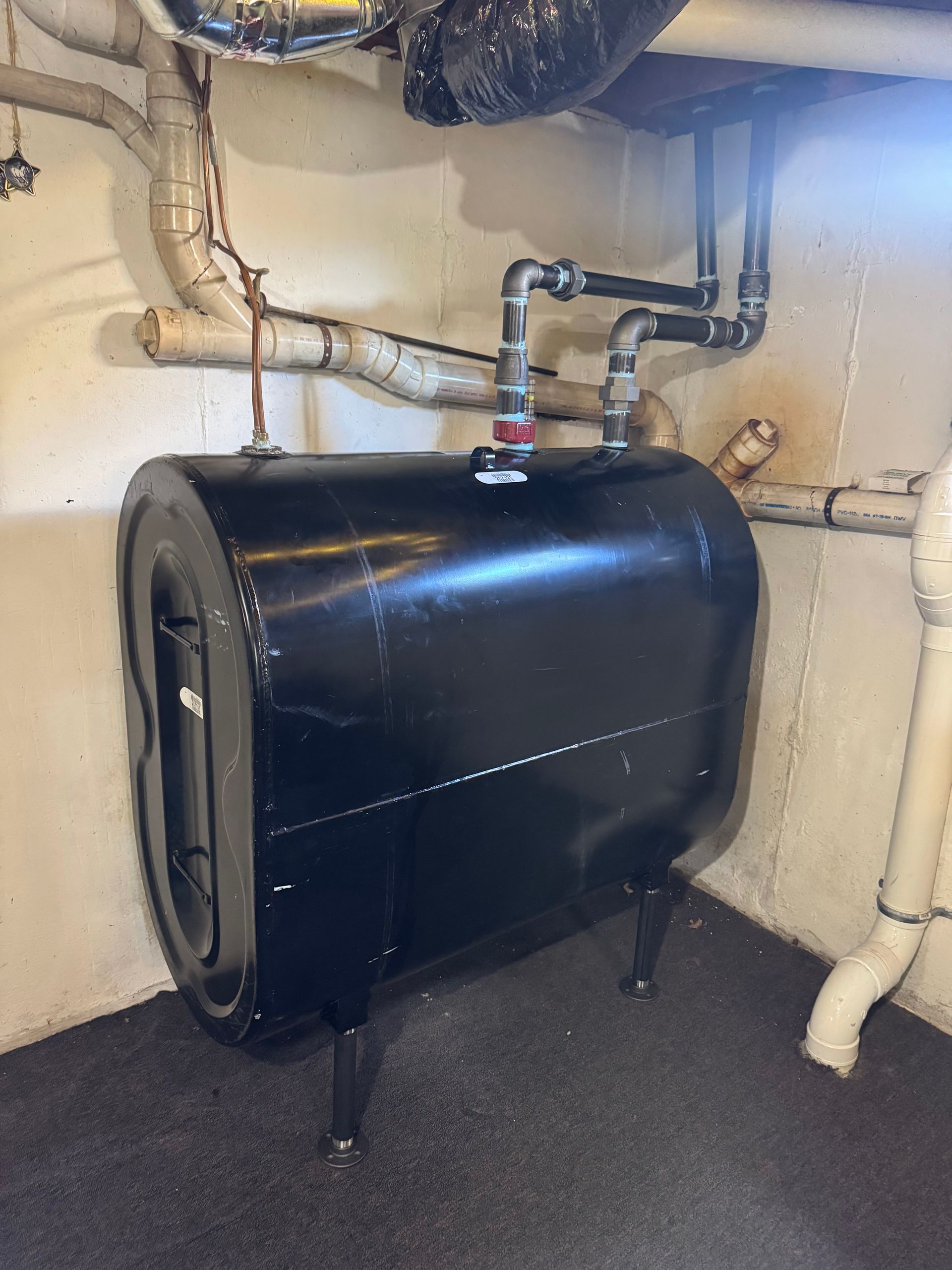
A furnace creates heat by burning a fuel such as natural gas, propane, or oil. An electric furnace instead uses electric resistance heating. The heated air is then distributed through the home’s ductwork.
The most important practical difference is that a heat pump can provide both heating and air conditioning, while a furnace only provides heat. A home with a furnace generally needs a separate central air-conditioning system for cooling.
Learn more about Elite Comfort’s heat pump installation, maintenance, and repair services and furnace and heating services throughout the Lehigh Valley.
Heat Pump vs. Furnace Comparison
| CONSIDERATION | HEAT PUMP | FURNACE |
|---|---|---|
| Heating method | Transfers heat from outside | Generates heat |
| Cooling | Provides heating and cooling | Requires separate cooling equipment |
| Energy source | Electricity | Gas, propane, oil, or electricity |
| Winter performance | Depends on the equipment and proper sizing | Delivers dependable heat in cold weather |
| Air temperature | Typically produces steady, moderate heat | Often produces warmer supply air |
| Installation | May require electrical or ductwork updates | Can be simpler when replacing a compatible furnace |
| Best fit | Homes seeking one system for year-round comfort | Homes with existing fuel and furnace infrastructure |
Do Heat Pumps Work During Lehigh Valley Winters?
Yes. Modern heat pumps can operate in cold weather, but the specific equipment must be properly selected and sized for the home and local climate.
Older heat-pump technology was often associated with mild climates. Today’s cold-climate systems are designed to maintain heating performance at lower outdoor temperatures. ENERGY STAR evaluates cold-climate heat pumps based on their performance at 5 degrees Fahrenheit.
Homeowners can review ENERGY STAR’s guidance for air-source heat pumps to learn more about cold-weather performance and efficiency ratings.
However, not every heat pump is a cold-climate model, and not every home has the same heating requirements. The home’s size, insulation, air sealing, ductwork, layout, and electrical service all affect system selection.
Some homes may also benefit from supplemental or backup heat. A professional evaluation can determine whether a heat pump can meet the home’s full heating load or whether a dual-fuel or supplemental setup would be more appropriate.
Is a Heat Pump More Efficient Than a Furnace?
Heat pumps can be highly efficient because they move existing heat rather than generating all of their heat directly. According to the U.S. Department of Energy, modern air-source heat pumps can reduce electricity use compared with electric furnaces and electric baseboard heating.
Read the Department of Energy’s overview of heat-pump operation and potential energy savings for additional information.
That does not mean a heat pump will automatically produce lower utility bills in every home. Operating costs depend on:
- The efficiency and condition of the equipment
- Local electricity and fuel prices
- Outdoor temperatures
- Thermostat settings
- The home’s insulation and air sealing
- Ductwork condition
- Equipment sizing
- How often supplemental heat operates
When comparing systems, homeowners should consider the estimated annual operating cost instead of relying only on an equipment efficiency rating.
How Is Furnace Efficiency Measured?
Furnace efficiency is measured using Annual Fuel Utilization Efficiency, commonly called AFUE. The AFUE rating represents how much of the furnace’s fuel is converted into usable heat over a typical year.
For example, a higher AFUE rating indicates that more of the fuel is used to heat the home and less is lost during operation. However, AFUE does not account for every factor affecting energy costs, including electricity used by system components or heat lost through leaking ductwork.
The Department of Energy provides additional guidance for comparing residential furnace efficiency.
Which System Provides Better Winter Comfort?
Comfort depends on more than whether a home has a furnace or heat pump.
Furnaces typically deliver warmer air through the vents and may reach the thermostat setting relatively quickly. Homeowners accustomed to traditional furnace heat may prefer this feeling.
Heat pumps generally provide steadier heat over longer operating cycles. The air coming from the vents may feel less hot than furnace air, but a properly designed system can still maintain a comfortable indoor temperature.
Uneven temperatures, frequent cycling, drafts, or rooms that remain cold may point to other issues, such as:
- Incorrect equipment sizing
- Restricted airflow
- Leaking or poorly designed ductwork
- Inadequate insulation
- Air leaks around windows, doors, or penetrations
- Thermostat placement
- Deferred system maintenance
These concerns should be evaluated before assuming that one type of heating system is inherently unable to keep the home comfortable.
Is a Heat Pump or Furnace Less Expensive to Install?
Installation costs vary significantly because every home begins with different equipment and infrastructure.
Replacing a furnace with a compatible model may be relatively straightforward when the existing ductwork, fuel supply, venting, and electrical connections are in good condition.
Installing a heat pump may involve changes to the home’s electrical service, outdoor equipment, indoor air handler, refrigerant lines, thermostat, or ductwork. However, a heat pump can replace both the heating and cooling functions of separate systems, so the full project should be considered rather than comparing it with the price of a furnace alone.
Request an evaluation based on your actual home instead of relying on a general online estimate.
Can You Use a Heat Pump and Furnace Together?
Yes. A heat pump and furnace can be combined in a dual-fuel system.
In this arrangement, the heat pump typically handles heating during milder weather. The furnace takes over when outdoor temperatures fall or when the system determines that furnace operation is more appropriate.
A dual-fuel system can provide the efficiency and year-round operation of a heat pump while retaining the cold-weather heating capabilities of a furnace. Whether this setup makes sense depends on the home, local energy costs, existing equipment, and project budget.
What Should You Consider Before Choosing?
Before selecting a heat pump or furnace, ask an HVAC professional to evaluate:
- The size and heating load of the home
- Existing ductwork and airflow
- Current fuel connections
- Available electrical capacity
- Insulation and air sealing
- Current heating and cooling equipment
- Comfort concerns in specific rooms
- Installation and operating costs
- Maintenance requirements
- Equipment and labor warranties
Proper sizing is particularly important. A larger system is not automatically better. Equipment that is incorrectly sized may cycle too frequently, create uneven temperatures, reduce comfort, and experience unnecessary wear.
If your current equipment is unreliable, review the signs that can help you decide whether to repair or replace a heating system before choosing a replacement.
Which Heating System Is Right for Your Lehigh Valley Home?
A heat pump may be a strong option if you want efficient electric heating and cooling from a single system. A furnace may be a better fit if your home already has suitable fuel infrastructure or you prefer the heating characteristics of a traditional furnace. Some properties may benefit from a dual-fuel system that combines both technologies.
The best decision should be based on the home itself, not a one-size-fits-all recommendation.
Elite Comfort Heating & Cooling installs and services a wide range of heating and cooling equipment throughout the Lehigh Valley, including Allentown, Bethlehem, Easton, Northampton, Nazareth, and surrounding communities.
Request HVAC service or call 484-714-7525 to discuss heating options for your home.
Is a heat pump better than a furnace in Pennsylvania?
A heat pump can be an efficient choice for a Pennsylvania home when the equipment is properly selected and sized for cold-weather operation. A furnace may be preferable for homes with existing fuel infrastructure or certain heating requirements. The best choice depends on the individual property.
Can a heat pump heat a house when it is below freezing?
Yes. Modern cold-climate heat pumps are designed to operate below freezing. Performance varies by model, so the equipment must be evaluated for its low-temperature capacity and matched to the home’s heating load.
Does a heat pump replace both a furnace and air conditioner?
A heat pump provides both heating and cooling and may replace separate furnace and air-conditioning systems. Some homes use a heat pump with a furnace or another supplemental heat source instead.
Is a furnace or heat pump cheaper to operate?
Operating costs depend on equipment efficiency, utility rates, outdoor temperatures, insulation, system sizing, and the home’s heating needs. An HVAC professional can compare appropriate systems using the conditions of the specific property.
Can I add a heat pump to an existing furnace?
In some homes, a heat pump can be paired with an existing or new furnace to create a dual-fuel system. Compatibility, controls, ductwork, electrical capacity, and equipment condition must be evaluated first.
Recent Posts