Why Is My Furnace Blowing Cold Air?
A furnace may blow cold air because of an incorrect thermostat setting, a dirty air filter, restricted airflow, an ignition problem, interrupted fuel supply, overheating, or another mechanical issue. It is also normal to briefly feel cool air when the blower first starts or after the heating cycle ends.
If the air remains cold, the furnace repeatedly stops heating, or the home cannot reach the thermostat setting, the system should be evaluated.
Is It Normal for a Furnace to Blow Cold Air at First?
A short period of cool air may be normal at the beginning of a heating cycle. The blower can start before the furnace has fully warmed the air moving through the ductwork.
You might also notice cooler air at the end of a cycle while the blower moves the remaining heated air through the system.
However, the air should become warm once the furnace is operating. Cold air that continues throughout the cycle or returns repeatedly can indicate a thermostat, airflow, ignition, fuel, or equipment problem.
Check the Thermostat Setting
Before requesting furnace repair, confirm that the thermostat is set to Heat and the fan is set to Auto.
When the fan is set to On, the blower may run continuously, including when the furnace is not actively heating. This can circulate room-temperature air through the vents and make it seem like the furnace is producing cold air.
With the fan set to Auto, the blower should generally operate during an active heating cycle.
You can also confirm that the thermostat setting is above the current indoor temperature. If the thermostat uses replaceable batteries, check whether the display indicates that they are low.
If the thermostat appears blank, unresponsive, or unable to control the system correctly, professional service may be needed.
A Dirty Air Filter May Restrict Airflow
A dirty or clogged filter can restrict airflow through the heating system. When the furnace cannot move enough air, it may operate inefficiently, overheat, or shut down its heating cycle as a protective response.
The blower may continue running even after the burners or heating components stop, causing cool air to come from the vents.
ENERGY STAR recommends checking HVAC filters regularly and replacing or cleaning them according to the equipment and filter manufacturer’s instructions. Its HVAC maintenance checklist explains that a dirty filter can increase operating costs and contribute to equipment damage.
If your filter is accessible and you know how to replace it safely:
- Turn the system off at the thermostat.
- Check whether the filter appears heavily covered with dust or debris.
- Confirm the correct replacement size and airflow direction.
- Install the appropriate filter according to the manufacturer’s instructions.
- Restore the thermostat setting and monitor the system.
If you are unsure where the filter is located or which type the system requires, contact an HVAC professional.
Closed or Blocked Vents Can Affect Airflow
Furniture, rugs, curtains, or stored belongings can accidentally block supply and return vents. Closed vents can also disrupt the airflow the system needs to operate properly.
Walk through the home and confirm that:
- Supply vents are open and unobstructed
- Return vents are not blocked
- Furniture is not positioned directly over floor registers
- Rugs or curtains are not covering vents
- Stored items are kept away from the furnace
Opening vents may improve airflow, but it will not correct an ignition, combustion, electrical, or mechanical problem.
The Furnace May Be Overheating
A furnace that does not receive sufficient airflow may become too hot. The system’s safety controls can shut off the burners while allowing the blower to continue operating.
Possible contributors include:
- A dirty air filter
- Blocked or closed vents
- Blower problems
- Dirty internal components
- Incorrect system settings
- Ductwork restrictions
- Other mechanical issues
Repeated overheating should be inspected promptly. Continuing to restart the furnace without correcting the cause could place additional stress on the equipment.
The Furnace May Have an Ignition Problem
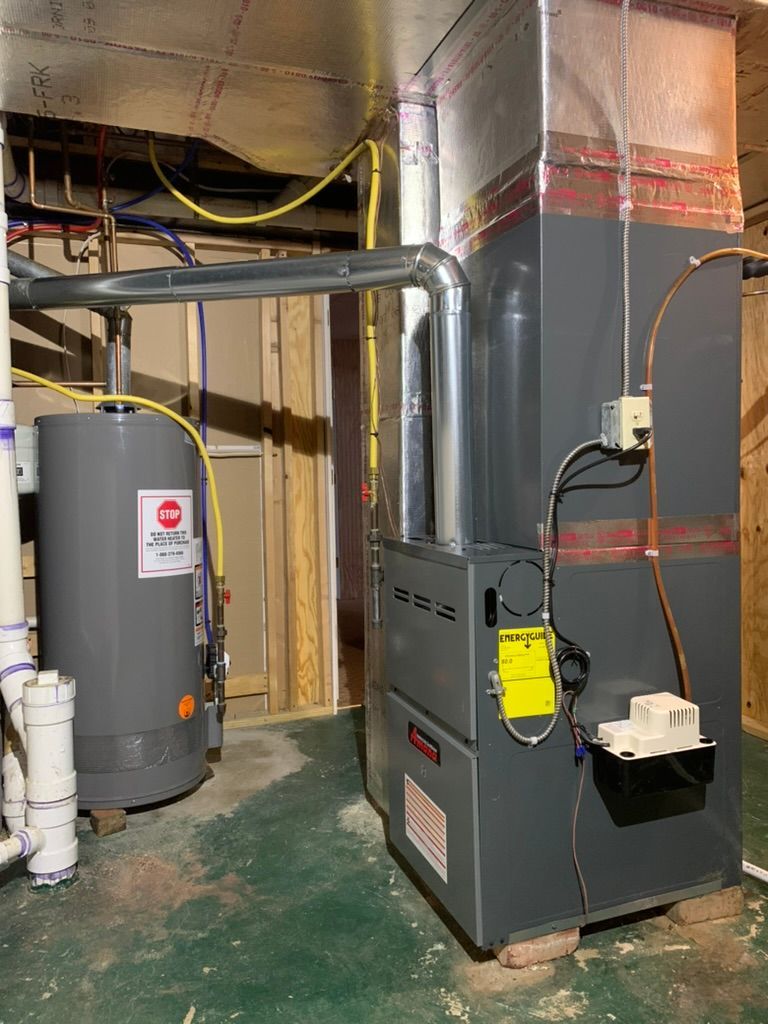
A gas furnace needs a properly operating ignition system before it can produce heat. Depending on the equipment, the furnace may use an electronic igniter or pilot system.
If the ignition sequence fails, the blower may run without the burners producing heat. Potential causes can involve the igniter, flame sensor, gas valve, system controls, or another component.
Do not attempt to disassemble, clean, relight, or repair furnace ignition or gas components unless the manufacturer specifically identifies a safe homeowner procedure. These components should generally be inspected by a qualified technician.
Elite Comfort provides professional heating diagnostics and furnace repair throughout the Lehigh Valley.
The Fuel Supply May Be Interrupted
A gas, propane, or oil furnace cannot produce heat without an adequate fuel supply.
An interruption may result from:
- An empty propane or oil tank
- A fuel delivery issue
- A closed or malfunctioning valve
- A gas-service interruption
- A problem inside the furnace
- A safety control preventing operation
Do not attempt to open gas lines, adjust fuel components, or bypass safety controls.
If you smell gas, leave the property immediately. Do not operate light switches, electronics, appliances, or anything else that could create a spark. Call the gas utility or emergency services from a safe location.
A High-Efficiency Furnace May Have a Drainage Problem
High-efficiency furnaces can produce condensation during operation. This moisture must drain away correctly.
A blockage or drainage problem may activate a safety control that prevents the furnace from heating. Depending on the system, you may notice water near the equipment, unusual cycling, an error code, or a furnace that runs without producing warm air.
Because drainage problems can involve internal components and safety controls, the system should be professionally inspected.
Damaged or Disconnected Ductwork Can Lose Heated Air
The furnace may be producing heat even though warm air is not reaching the rooms effectively.
Disconnected, leaking, crushed, or poorly insulated ductwork can allow heated air to escape into an attic, basement, crawlspace, or other unfinished area. This can lead to:
- Cool or weak air at the vents
- Uneven room temperatures
- Longer heating cycles
- Higher energy use
- Certain rooms remaining uncomfortable
A technician can determine whether the problem originates with the furnace, blower, ductwork, or another part of the home.
When Should You Call for Furnace Repair?
Request professional heating service if:
- The furnace continues blowing cold air
- The system will not start
- The furnace repeatedly turns on and off
- The home cannot reach the thermostat setting
- The furnace makes unusual sounds
- You notice burning, electrical, or fuel odors
- The system frequently overheats
- The furnace displays an error code
- The circuit breaker repeatedly trips
- Water is collecting near the equipment
- The system has needed several recent repairs
A furnace problem does not automatically mean that the entire system needs to be replaced. A professional diagnosis can identify whether the issue involves maintenance, airflow, a repairable component, or a more significant failure.
Read Should You Repair or Replace Your Heating System? for factors to consider when comparing the two options.
Do Not Ignore Carbon Monoxide Warning Signs
Carbon monoxide is colorless and odorless, so a furnace problem cannot be ruled out based on smell alone. Homes with fuel-burning equipment should have working carbon monoxide alarms installed and maintained according to local requirements and manufacturer instructions.
The U.S. Consumer Product Safety Commission recommends annual professional inspection of fuel-burning heating systems, including furnaces, boilers, chimneys, flues, and vents. Review the CPSC’s carbon monoxide safety guidance for additional information.
If a carbon monoxide alarm sounds, get everyone outside immediately and call 911 from a safe location. Do not reenter the home until emergency personnel say it is safe.
Can Furnace Maintenance Help Prevent Heating Problems?
Routine maintenance cannot prevent every breakdown, but it gives a technician an opportunity to inspect system operation, airflow, controls, electrical connections, and heating components before the furnace is under peak demand.
Maintenance can also help identify dirty components, developing wear, or operating concerns before they contribute to a more disruptive failure.
Learn more about why fall HVAC maintenance matters in the Lehigh Valley and what homeowners can do between professional visits.
Schedule Furnace Repair in the Lehigh Valley
If your furnace is blowing cold air or struggling to keep your home comfortable, Elite Comfort Heating & Cooling can identify the cause and explain the available options.
We provide residential HVAC services in Bethlehem, PA and throughout the Lehigh Valley, including Allentown, Easton, Northampton, Nazareth, and surrounding communities.
Request heating service online or call 484-714-7525 to schedule a furnace evaluation.
Why is my furnace running but only blowing cold air?
The thermostat fan may be set to On, the filter may be restricting airflow, or the furnace may have an ignition, fuel, overheating, control, or mechanical problem. If the air does not become warm during the heating cycle, request professional service.
Can a dirty air filter cause a furnace to blow cold air?
Yes. A severely restricted filter can reduce airflow and contribute to furnace overheating. A safety control may stop the heating process while the blower continues circulating air.
Should my thermostat fan be set to Auto or On?
Set the fan to Auto if you want it to operate primarily during active heating and cooling cycles. When set to On, the fan can circulate air even when the furnace is not producing heat.
Should I turn off my furnace if it is blowing cold air?
If the furnace continues blowing cold air, makes unusual sounds, produces an unusual odor, repeatedly shuts down, or shows another sign of malfunction, turn it off at the thermostat and request professional service. If you smell gas or a carbon monoxide alarm sounds, leave the property immediately and contact emergency services from a safe location.
Does a furnace blowing cold air mean it needs to be replaced?
Not necessarily. The cause may be a thermostat setting, dirty filter, airflow restriction, or repairable component. Replacement may be considered when the furnace has a major failure, requires frequent repairs, or no longer heats the home reliably.
Recent Posts